
Key Takeaways:
- Quantum research and development is now a top federal priority – The U.S. government is elevating quantum technologies alongside AI, semiconductors, and other critical fields, signaling long-term funding and policy backing.
- Potential executive actions on quantum and AI may build on NSM-10 with added enforcement – Upcoming directives could establish binding timelines for federal agencies to adopt post-quantum cryptography and quantum-resilient systems, strengthening national security measures.
- Cybersecurity is central to U.S. quantum strategy – Protecting sensitive government and defense data from future quantum decryption threats places PQC at the heart of national security and technological leadership.
Quantum Rises to the Top of the Agenda
For years, quantum computing was viewed as a long-term research frontier—interesting, but distant. That narrative is changing fast. In recent months, the U.S. federal government has moved quantum technology firmly into the spotlight, aligning it with artificial intelligence as a strategic domain for innovation, security, and economic competitiveness. A new memo from the White House places quantum computing and AI at the summit of federal R&D priorities for fiscal year 2027, signaling that quantum is no longer a niche effort but a core pillar of future U.S. technological leadership.
This renewed focus comes amid reports that the White House is preparing executive actions to accelerate federal adoption of quantum technology and drive the transition to post-quantum cryptography. At the same time, industry leaders and Congress are calling for increased funding for quantum research and the reauthorization of the National Quantum Initiative. Together, these moves reflect a concerted push by the U.S. government to stay ahead in the quantum race against global competitors.
Elevating Quantum & AI: New White House R&D Priorities
In September 2025, the Office of Management and Budget and the Office of Science and Technology Policy (OSTP) jointly released a memo that redesignated federal research priorities for FY2027. Among these, quantum information science emerged as one of the few technologies elevated to top-tier status—on par with AI, semiconductors, and other critical and emerging technologies. The memo directs agencies to realign funding toward these pivotal fields, effectively placing quantum front and center in the federal innovation agenda.
“As quantum technologies mature and become increasingly available on the commercial market, bolstering U.S. leadership will require advancing fundamental science while also tackling emerging engineering challenges and strengthening the critical technologies enabling the quantum ecosystem.”
Agencies are instructed to expand core research in quantum information science while also prioritizing R&D for practical applications and enabling technologies. This includes promoting pre-competitive collaboration through consortia, investing in infrastructure and testbeds, advancing quantum-ready manufacturing, and sustaining related fields such as materials science, mathematics, and physics.
This shift is more than symbolic. It signals to federal agencies, national labs, and private sector partners that quantum is a priority for sustained funding and policy backing. The memo also links quantum with national security, defense, space, and energy—domains the government views as crucial to strategic dominance. In effect, quantum is now being treated as an integral part of the country’s science and technology backbone, not just a speculative research avenue.
Executive Orders and Federal Mandates: How the White House Plans to Act
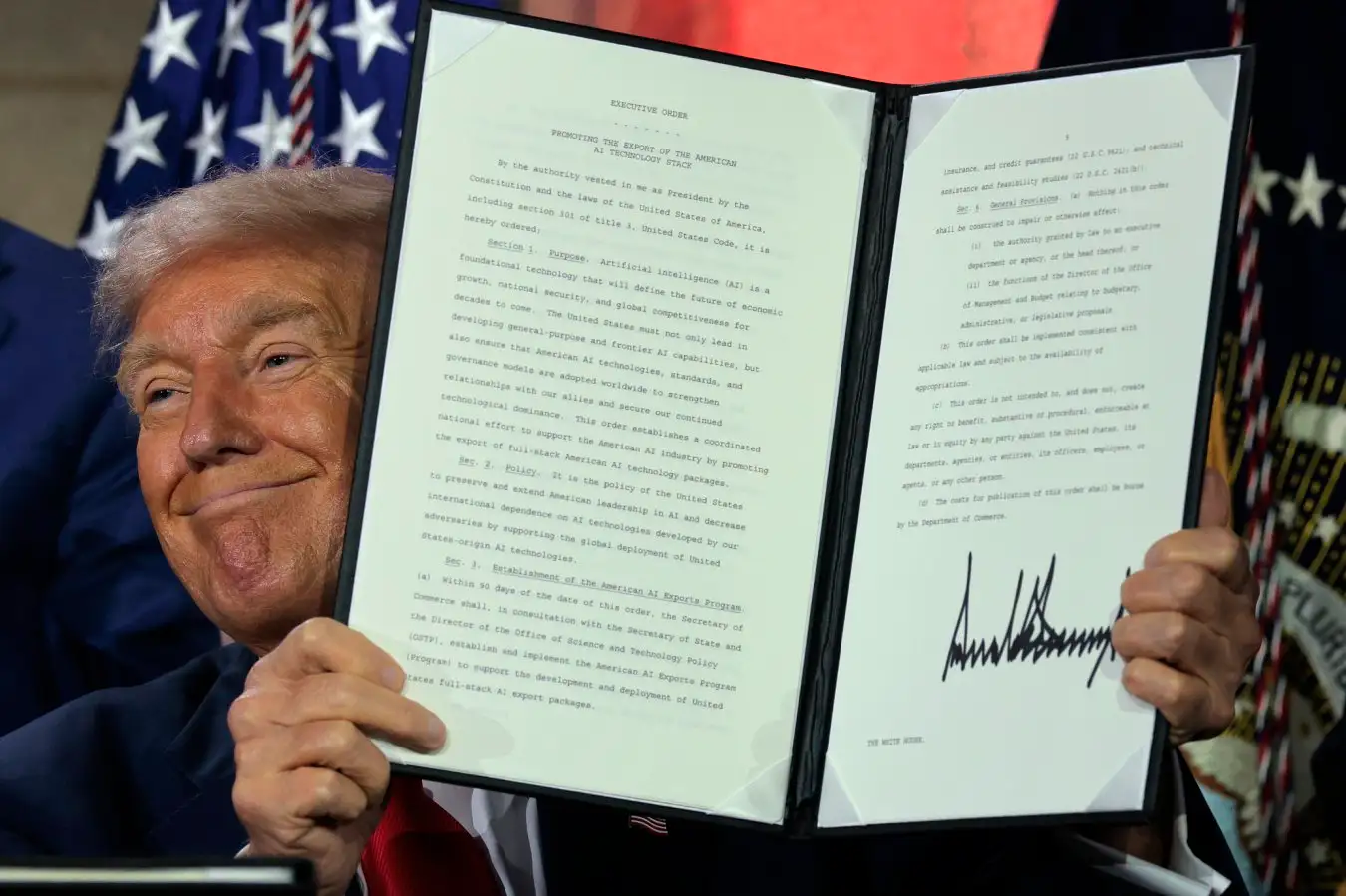
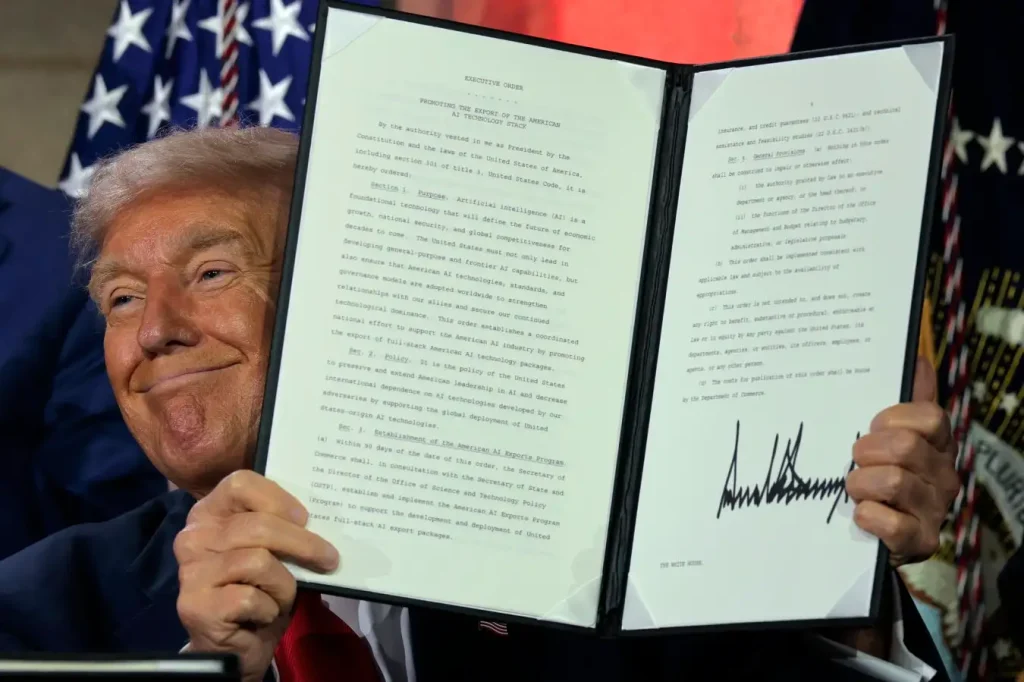
To convert policy declarations into concrete progress, the White House is drafting executive actions aimed at embedding quantum technology into federal operations and driving broader adoption. According to multiple sources, drafts are in preparation for as many as two or three executive orders focused on quantum information science, post-quantum cryptography migration, and agency-level deadlines for system upgrades.
One central element is post-quantum cryptography (PQC)—the development and adoption of encryption algorithms capable of withstanding future quantum attacks. These executive actions are expected to set binding timelines for federal agencies to begin transitioning their IT infrastructure toward quantum-resilient systems. The White House’s proposals build on existing mandates from National Security Memoranda, like NSM-10, which directed agencies to prepare for the quantum threat to encryption standards. While NSM-10 established broad goals, the new proposals aim to provide clearer enforcement mechanisms and more defined deadlines. The result is a shift from guidance to action, ensuring that federal systems—and eventually private-sector infrastructure tied to government operations—are not left vulnerable when quantum computing reaches maturity.
Beyond encryption, the executive orders may push federal labs and agencies to adopt quantum computing tools in areas like modeling, optimization, and sensing. The aim is twofold: to accelerate in-house quantum capacity, and to signal to the private sector that quantum is no longer future-forward—it’s mission-critical.
Taken together, the policy pivot reflects a determination by the U.S. government to not just keep up—but lead—in the quantum era. The question now is whether the plans translate into tangible progress, and how quickly competing nations will respond.
Quantum Steps Out of the Lab and Into National Strategy
The U.S. government’s recent moves show that quantum technology has entered the highest levels of policymaking. With the White House preparing executive orders, federal agencies reshaping their priorities, and Congress weighing the reauthorization of the National Quantum Initiative, the technology is now embedded in national strategy. What happens next will depend on the specifics: which executive orders are signed, how quickly agencies comply with new mandates, and whether lawmakers can deliver on long-term funding.
What is clear is that quantum has been elevated to the ranks of essential national technologies. Alongside AI, it is now viewed as a cornerstone of security, economic resilience, and global leadership. The U.S. is signaling to both allies and competitors that it intends to set the pace in the quantum era—and that falling behind is not an option.